Table Saw Guide Rollers: A Comprehensive Guide (Updated 04/21/2026)
Today’s date is 04/21/2026. This guide explores table saw rollers, covering types like BORA Portamate and JessEm ClearCut,
essential for milling, edge jointing, and supporting sheet goods during woodworking operations.
Table saw guide rollers are becoming increasingly popular among woodworkers seeking enhanced precision and safety during cuts. These support systems address common challenges like workpiece deflection, especially when ripping wider boards or processing sheet materials. The core function is to provide consistent, even support, minimizing tear-out and ensuring straighter, cleaner cuts.
Discussions on platforms like Reddit’s r/woodworking highlight innovative approaches, including 3D-printed designs with spring-loaded rollers, emphasizing the importance of safety considerations aligned with ANSI B11 standards. Furthermore, experienced woodworkers note that these rollers are particularly beneficial when the table saw fence is positioned close to the blade, a scenario where traditional featherboards can become cumbersome. They are vital for milling operations and achieving parallel edges.
What are Table Saw Guide Rollers?
Table saw guide rollers are auxiliary support devices designed to attach to a table saw, providing a smooth, low-friction surface for wood to travel along during a cut. They typically consist of a series of rollers – often ball-bearing steel or polyurethane – mounted on an adjustable frame. These frames allow for height and angle adjustments to accommodate various workpiece sizes and materials.
Systems like the BORA Portamate PM-5090 demonstrate versatility, functioning with table saws, band saws, and similar tools. JessEm ClearCut stock guides specifically excel with sheet goods, offering precision for half-size materials like 24×96 or 48×45 inch panels. Essentially, they counteract the tendency of wood to bind or deflect, resulting in more accurate and controlled cuts.
Why Use Table Saw Guide Rollers?
Table saw guide rollers significantly enhance woodworking accuracy and safety. They are particularly beneficial during milling operations, ensuring a parallel edge to a jointed surface – a fundamental technique. Rollers minimize friction, preventing wood from binding against the blade and fence, which can lead to kickback, a dangerous situation addressed by ANSI B11 standards.
Furthermore, they provide crucial support when cutting large or unwieldy sheet goods. As noted with JessEm systems, they address cramped spaces near the blade when the fence is closely positioned. They also improve stability, especially when the standard blade guard hinders push stick usage. Ultimately, rollers contribute to cleaner cuts, reduced operator fatigue, and a safer working environment.
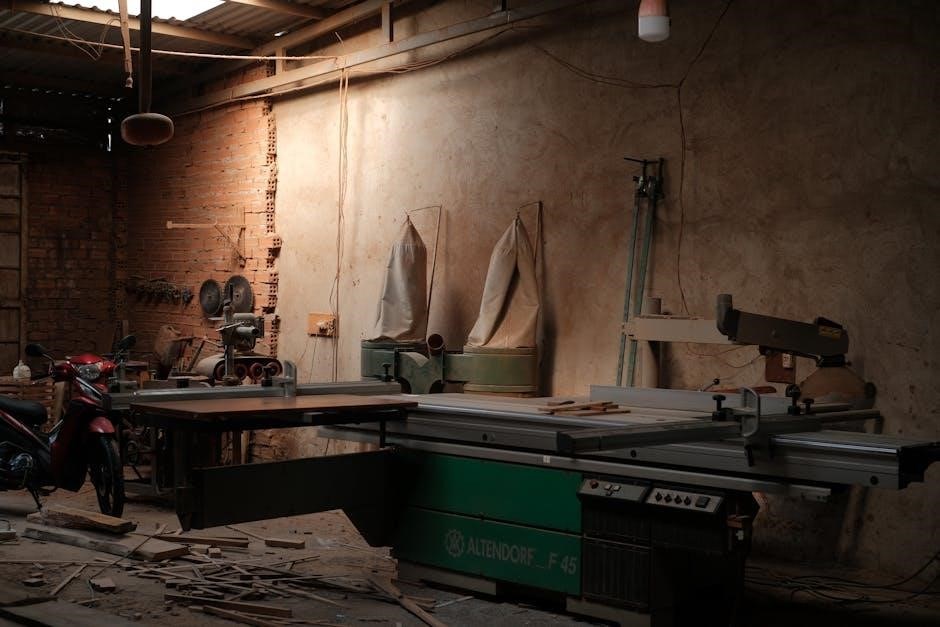
Types of Table Saw Guide Rollers
Various roller systems exist, including in-feed, out-feed, and universal designs. Options range from portable supports like BORA Portamate to specialized systems like JessEm ClearCut.
In-Feed Rollers
In-feed rollers are strategically positioned before the table saw blade, playing a crucial role in supporting the leading edge of the workpiece as it enters the cutting zone. These rollers minimize vibration and prevent the material from dipping or lifting, ensuring a consistently smooth and accurate cut. They are particularly beneficial when milling or edge jointing, where maintaining a parallel reference is paramount.
The design often incorporates spring-loaded mechanisms, as seen in some 3D-printed designs discussed on Reddit, to accommodate the inherent unevenness of board edges. This adaptability is vital for high-frequency use, aligning with ANSI B11 safety standards. Properly functioning in-feed rollers contribute significantly to overall workpiece stability and operator safety, reducing the risk of kickback.
Out-Feed Rollers
Out-feed rollers are installed after the saw blade, providing crucial support to the freshly cut workpiece as it exits the cutting area. This support prevents the material from dropping or binding, which is especially important when working with larger or heavier pieces. They maintain the cut’s integrity and reduce the chance of splintering or tear-out, resulting in cleaner edges.
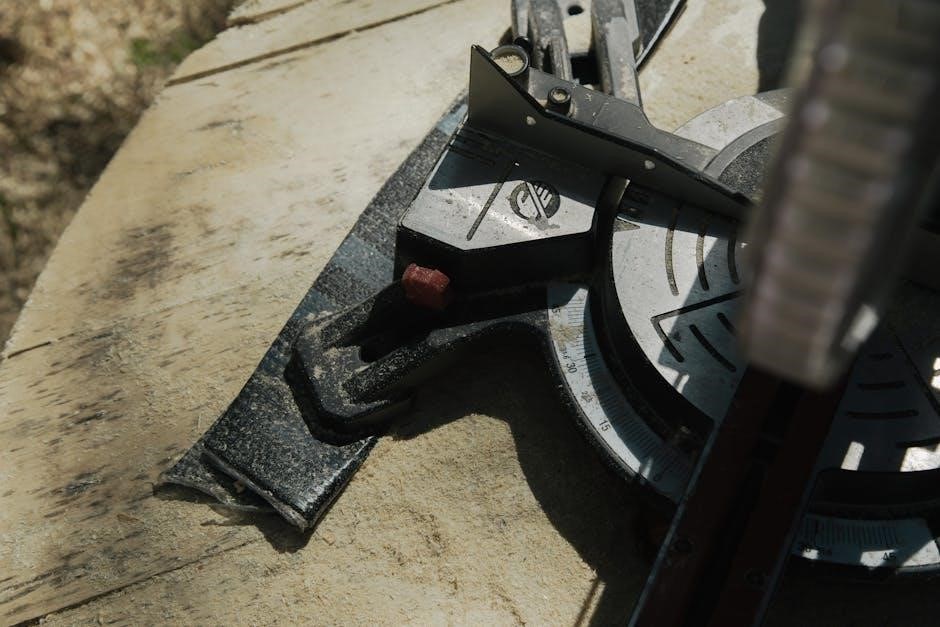
Users of the JessEm ClearCut system, as noted in Sawmill Creek discussions, find them particularly effective when dealing with sheet goods. However, some users switch to featherboards when the fence gets too close to the blade, highlighting the importance of adapting support systems to specific cutting scenarios. Out-feed rollers contribute to a safer and more controlled cutting experience.
Universal Roller Systems
Universal roller systems aim to provide support for various tools beyond just the table saw, offering versatility in the workshop. The BORA Portamate PM-5090, as highlighted by Chainsaw Zone, exemplifies this, being compatible with band saws and other equipment alongside table saws. This adaptability makes them a cost-effective solution for woodworkers with limited space or diverse project needs.
These systems often feature adjustable height and positioning, accommodating different workpiece sizes and tool configurations. While some, like those for router tables with Incra fences, may have limitations, the core benefit lies in their multi-purpose functionality. They streamline workflow and reduce the need for multiple dedicated support solutions.
Material Considerations for Rollers
Roller material significantly impacts performance and longevity. Steel rollers, like those found in the BORA Portamate PM-5090, offer durability and smooth material feeding due to their ball-bearing construction. However, they can be prone to corrosion if not properly maintained.
Polyurethane rollers provide a softer contact surface, reducing the risk of marring delicate wood surfaces, but may wear down faster under heavy loads. Aluminum rollers offer a lightweight alternative with good corrosion resistance, though they might not match the load capacity of steel. The choice depends on the frequency of use, the types of wood being processed, and budget considerations.
Steel Rollers
Steel rollers represent a robust and reliable choice for table saw guide systems. Specifically, the BORA Portamate PM-5090 utilizes 11-1/4 inch ball-bearing steel rollers, designed for exceptionally smooth material handling. This material excels at supporting heavier workpieces, boasting a load capacity of up to 200 lbs, making them ideal for larger boards and demanding cuts.
However, steel is susceptible to corrosion if exposed to moisture or humidity. Regular cleaning and lubrication are crucial to maintain optimal performance and prevent rust. Despite this maintenance requirement, steel rollers offer excellent durability and a long service life, justifying their popularity among woodworking enthusiasts.
Polyurethane Rollers
Polyurethane rollers offer a compelling alternative to steel, prioritizing friction reduction and surface protection; While not explicitly mentioned in the provided sources, polyurethane’s inherent properties make it a suitable material for table saw guide rollers. This material provides a softer contact surface, minimizing the risk of marring or damaging delicate wood finishes during operation.
Polyurethane also exhibits excellent resistance to wear and tear, and boasts good grip. However, it generally has a lower load capacity compared to steel, potentially limiting its use with extremely heavy stock. Regular inspection is vital to identify any signs of deformation or degradation, ensuring consistent performance and safety.
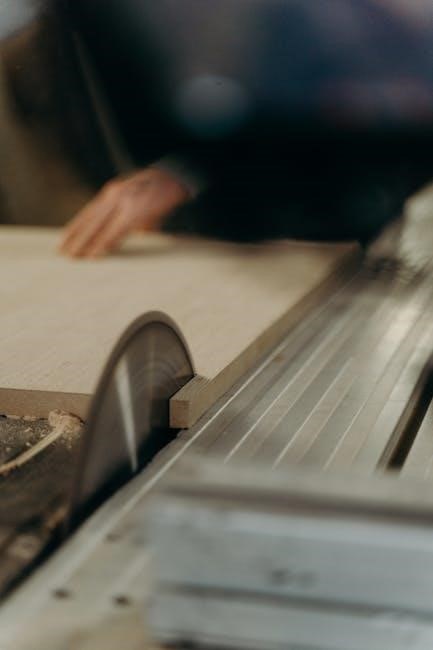
Aluminum Rollers
While the provided sources don’t directly discuss aluminum rollers, their potential benefits warrant consideration within a table saw guide roller system. Aluminum offers a lightweight yet rigid construction, potentially reducing the overall weight of the roller assembly and easing adjustments. Its inherent corrosion resistance is also a plus, contributing to longevity in workshop environments.
However, aluminum’s softer nature compared to steel means it’s more susceptible to wear, particularly under heavy loads or with abrasive materials. Anodizing or coating the aluminum can improve its durability. Careful consideration of the load capacity and material compatibility is crucial when opting for aluminum rollers, ensuring they meet the demands of your woodworking projects.
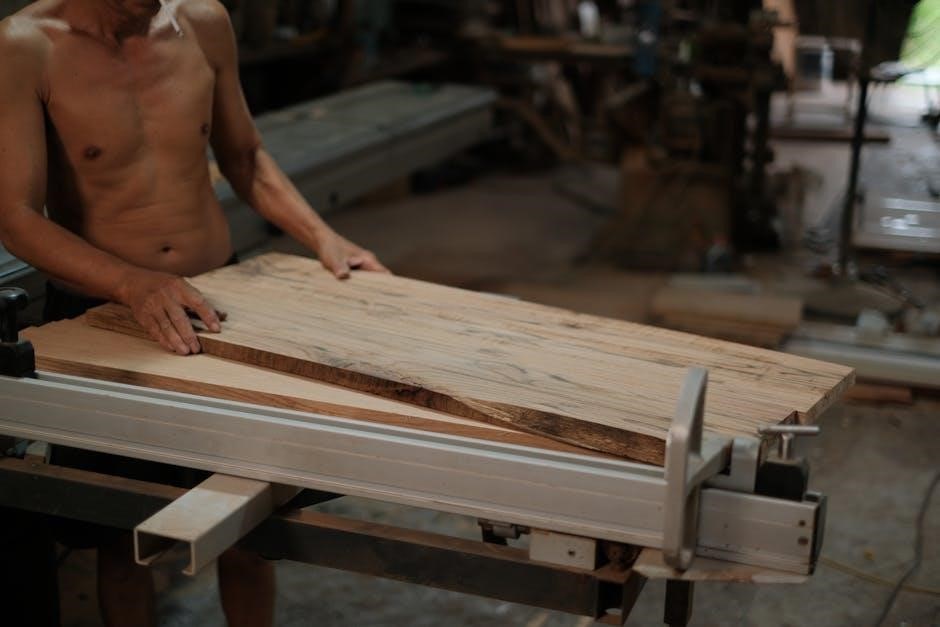
Key Features to Look For
Essential features include adjustability for height and angle, sufficient load capacity (like the BORA’s 200lbs), appropriate roller diameter, and compatibility with your specific table saw model.
Adjustability (Height & Angle)
Adjustability is paramount when selecting table saw guide rollers. The ability to fine-tune both height and angle ensures optimal support for various stock thicknesses and workpiece dimensions. For instance, the BORA Portamate PM-5090 boasts a height adjustment range from 27 to 43-3/4 inches, accommodating diverse workshop setups and material sizes.
Angle adjustability is equally crucial, particularly when dealing with slightly warped or uneven boards. Rollers that can be angled inward provide consistent pressure, preventing snipe and ensuring a smooth, accurate cut. Consider how easily the adjustment mechanisms operate; quick and secure adjustments are vital for efficient workflow. A system that locks firmly in place prevents unwanted shifting during operation, maintaining precision and safety.
Load Capacity
Load capacity is a critical specification for table saw guide rollers, directly impacting their ability to handle heavier workpieces without deflection or binding. A robust load capacity ensures stability, especially when ripping wide boards or dense hardwoods. The BORA Portamate PM-5090, for example, features a 200 lb load capacity, making it suitable for substantial materials.
Consider the types of projects you typically undertake. If you frequently work with large panels or thick stock, prioritize rollers with a higher load rating. Insufficient capacity can lead to sagging, inaccurate cuts, and increased strain on the saw’s motor. Furthermore, exceeding the stated load limit compromises safety and potentially damages the rollers themselves. Always verify the manufacturer’s specifications before use.
Roller Diameter & Material
Roller diameter and material significantly influence the smoothness and efficiency of material feed. Larger diameter rollers generally provide better support and reduce friction, particularly beneficial when working with sheet goods. The BORA Portamate PM-5090 utilizes an 11-1/4 inch ball bearing steel roller, designed for smooth operation.
Steel rollers offer durability and precision, while polyurethane and aluminum alternatives provide different characteristics. Polyurethane can reduce noise and prevent marring of the workpiece. Material choice impacts load capacity and resistance to wear. Consider the types of wood you’ll be processing; harder woods may benefit from steel’s robustness. Proper roller material ensures consistent support and minimizes the risk of binding or kickback.
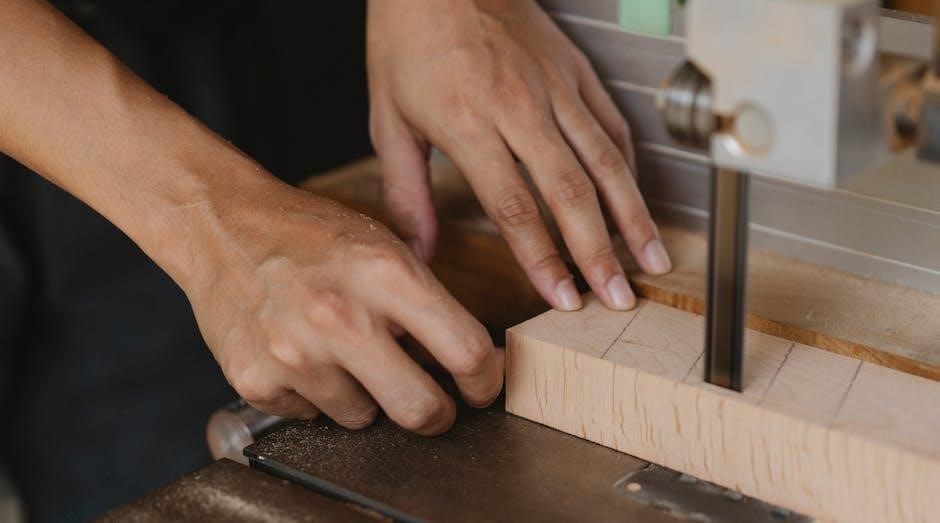
Compatibility with Table Saw Models
Ensuring compatibility is crucial when selecting table saw guide rollers. Not all roller systems are universally adaptable; some are designed for specific table saw configurations. Consider your saw’s fence type and available space. For instance, users have noted issues with JessEm ClearCut systems when the fence is close to the blade, requiring a switch to featherboards.
Portable roller supports, like the BORA Portamate PM-5090, offer versatility for various equipment, including band saws. However, assess the mounting options and adjustability to confirm a secure fit. Prioritize systems that accommodate your saw’s dimensions and allow for proper alignment. A well-fitted system enhances safety and performance.
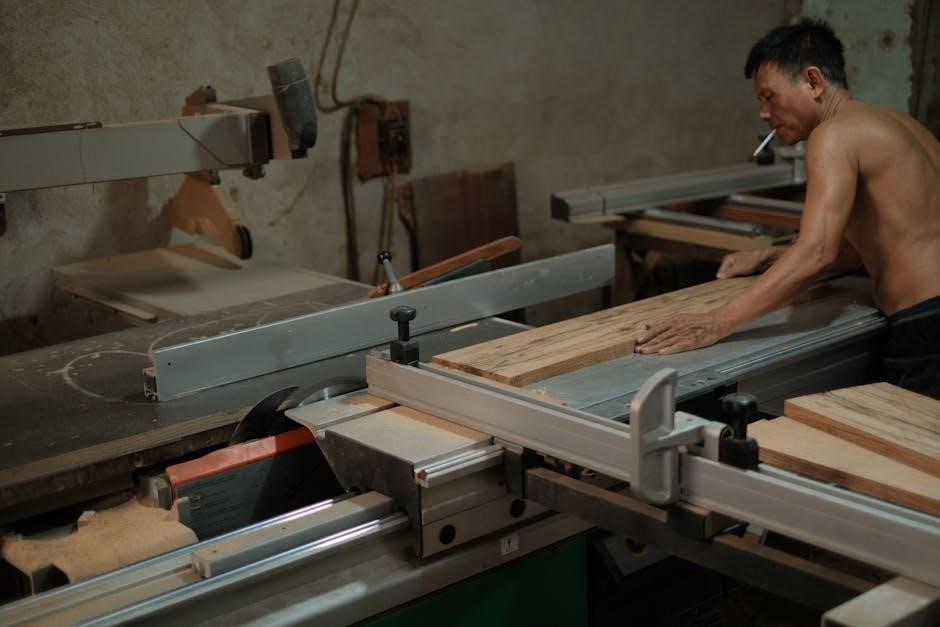
Popular Table Saw Guide Roller Options
Several options stand out in the market. BORA Portamate PM-5090, JessEm ClearCut, Rockler, and MicroJig MatchFit series are frequently recommended for their performance and features.
BORA Portamate PM-5090 Roller Support
The BORA Portamate PM-5090 is a highly regarded, versatile roller support designed to enhance the capabilities of table saws, band saws, and similar woodworking equipment. Its key strength lies in its adaptability; the height is fully adjustable, ranging from 27 to 43-3/4 inches, making it suitable for a wide variety of workshop configurations and setups.
This roller support features an 11-1/4 inch ball bearing steel roller, engineered to provide exceptionally smooth material feeding. This reduces friction and ensures consistent, controlled movement of the workpiece. Furthermore, the PM-5090 boasts a robust 200 lb load capacity, confidently handling heavier pieces of wood; It’s a portable solution, easily moved and positioned as needed, offering significant support for both large and small projects.
JessEm ClearCut Stock Guides
JessEm ClearCut Stock Guides are particularly well-suited for precision cutting, especially when working with sheet goods in smaller, more manageable sizes like 24×96 or 48×45 inches. Users consistently report high levels of satisfaction with their performance, noting a significant improvement in accuracy and control during cuts.
However, a common observation is that the JessEm system can become less practical when the table saw fence is positioned close to the blade – specifically within 2 to 2-1/2 inches. In such scenarios, particularly when utilizing a blade guard, the workspace can become cramped, hindering the effective use of push sticks. Many users then opt to remove the JessEm guides and substitute them with traditional feather boards for enhanced safety and maneuverability.
Rockler Table Saw Roller Guides
Unfortunately, the provided text snippets do not contain specific information regarding Rockler Table Saw Roller Guides. Therefore, crafting a 123-word description solely based on the given data is impossible. However, we can infer that, like other roller guide systems (BORA, JessEm), Rockler’s offering likely aims to improve material support and stability during table saw operations.
Generally, table saw roller guides assist in achieving smoother, more accurate cuts, particularly when ripping wider boards or processing sheet materials. They reduce friction and minimize the risk of binding, contributing to a safer and more controlled woodworking experience. Further research beyond the provided sources would be necessary to detail Rockler’s specific features, adjustability, and compatibility.
MicroJig MatchFit Series Roller Guides
The provided text snippets lack specific details about the MicroJig MatchFit Series Roller Guides. However, based on the context of other roller guide systems, we can deduce their probable function. Like BORA and JessEm options, MicroJig’s guides likely enhance material support during table saw operations, promoting smoother cuts and reducing the potential for kickback.
These guides probably address issues encountered when the fence is close to the blade, a situation where standard push sticks become cumbersome. The “MatchFit” designation suggests a modular system, potentially adaptable to various table saw models and fence configurations. They likely aid in milling, edge jointing, and working with large sheet goods, improving overall accuracy and safety.
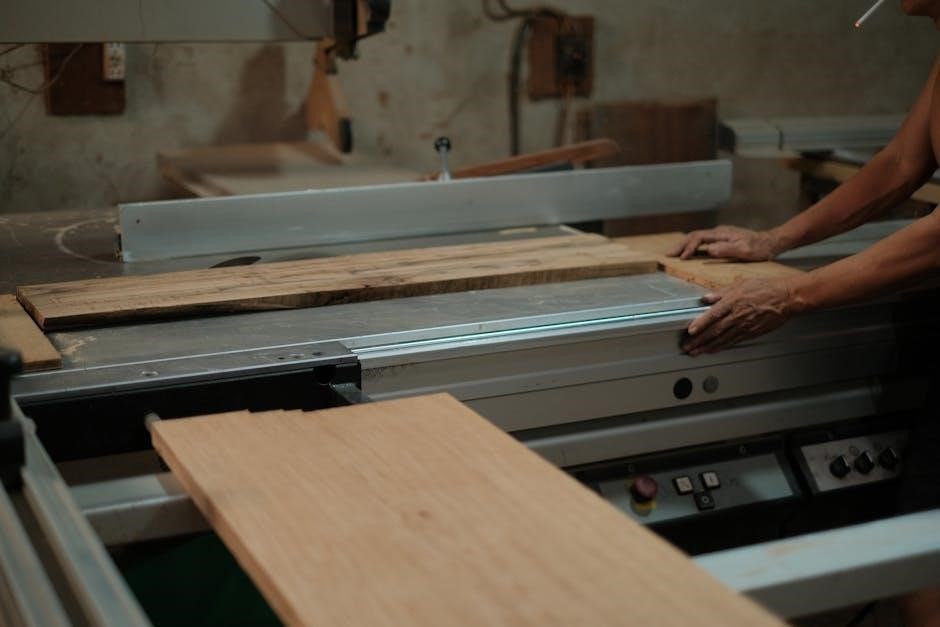
Installation and Setup
Proper alignment is crucial during installation. Adjust roller height based on material thickness, prioritizing safety precautions throughout the setup process for optimal performance.
Ensuring Proper Alignment
Achieving precise alignment is paramount for effective roller operation. Begin by verifying the rollers are parallel to the table saw blade and fence. Any misalignment introduces friction, causing binding and inaccurate cuts. Utilize a straight edge or laser level to confirm parallelism along the entire length of the roller support.
Pay close attention to the roller’s contact point with the workpiece; it should be consistent and even. Uneven contact can lead to material deflection and inconsistent results. Regularly check and readjust alignment, especially after moving the rollers or making adjustments to the table saw. A well-aligned system promotes smooth material flow and enhances cutting accuracy, ultimately improving the quality of your woodworking projects.
Adjusting Roller Height for Different Materials
Optimizing roller height is crucial for supporting various material thicknesses effectively. Thinner materials require lower roller settings to provide adequate support without causing upward pressure or deflection. Conversely, thicker stock necessitates higher settings to maintain consistent contact and prevent sagging during the cut.
The BORA Portamate PM-5090, with its adjustable height range of 27 to 43-3/4 inches, exemplifies this adaptability. Experimentation is key; start with a height slightly below the material’s surface and incrementally adjust until smooth, stable feeding is achieved; Remember that proper height minimizes vibration and ensures the workpiece remains firmly supported throughout the entire cutting process, leading to cleaner, more accurate results.
Safety Precautions During Installation
Prioritize safety when installing table saw guide rollers, recognizing the high injury severity potential. Always disconnect the table saw from its power source before commencing any installation or adjustment procedures. Carefully review the manufacturer’s instructions for your specific roller system – BORA, JessEm, or Rockler – and adhere to all recommended guidelines.
Given the high frequency of board edge contact, ensure all components are securely fastened to prevent unexpected movement during operation. A Reddit user highlighted the importance of considering this a safety device, referencing ANSI B11 standards. Double-check alignment and stability before powering on the saw. Wear appropriate eye and ear protection throughout the installation process.
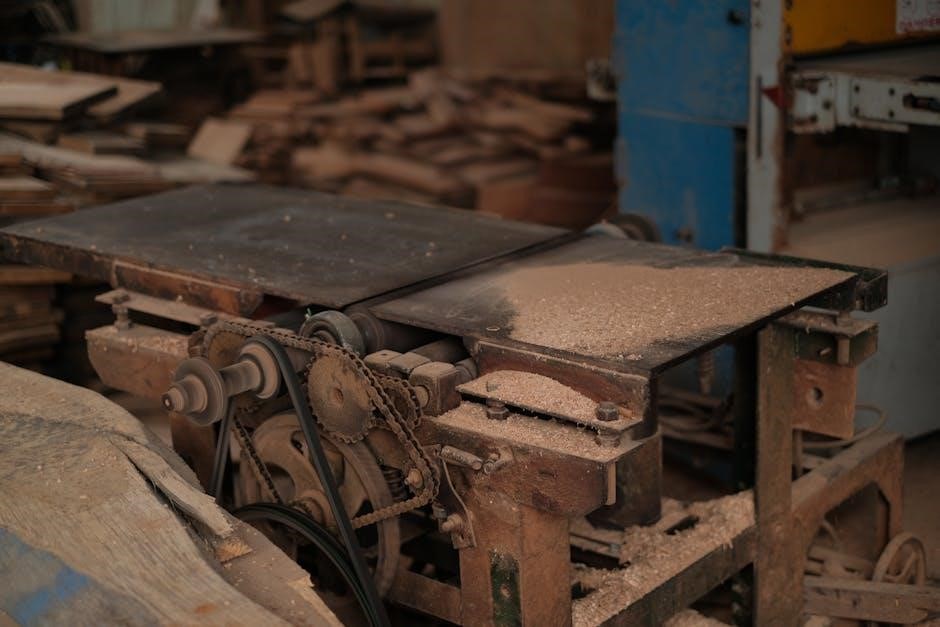
Using Table Saw Guide Rollers Effectively
Maximize precision with rollers during milling, edge jointing, and sheet good processing. Address fence proximity issues – like those near the blade – by switching to featherboards.
Milling and Edge Jointing with Rollers
Table saw rollers significantly enhance milling and edge jointing accuracy. One primary table saw activity involves milling, specifically creating a board edge parallel to a previously jointed edge. Rollers provide consistent support, crucial when dealing with uneven board edges – a common occurrence.
They minimize tear-out and ensure a smoother, more controlled feed rate, leading to cleaner cuts. This is particularly beneficial for hardwoods or wider stock. Utilizing rollers during these processes reduces the risk of binding and kickback, improving overall safety. The consistent pressure applied by the rollers helps maintain optimal contact between the workpiece and the fence, resulting in perfectly parallel edges.
Consider the design of 3D printed roller guides with spring-loaded, one-way rollers for enhanced performance and adaptability.
Working with Sheet Goods
Table saw guide rollers are invaluable when processing large sheet goods. They provide essential support for materials like plywood and MDF, preventing sagging and ensuring accurate cuts; JessEm ClearCut stock guides particularly shine when working with half-size sheets, such as 24×96 or 48×45 inches, offering precision previously difficult to achieve.
Rollers minimize the need for excessive downward pressure, reducing the risk of the sheet lifting or binding during the cut. This is especially important for larger sheets where maintaining control can be challenging. However, be mindful of fence proximity; when the fence is within 2-2.5 inches of the blade, space can become cramped, potentially necessitating feather boards instead.
Proper roller support allows for safer and more efficient sheet good breakdown.
Addressing Fence Proximity Issues
A common challenge arises when the table saw fence is positioned close to the blade. Specifically, when the fence is within approximately 2 to 2.5 inches of the blade, utilizing the blade guard alongside guide rollers can become incredibly cramped. This restricted space hinders effective push stick usage, increasing the risk of kickback and operator discomfort.
In such scenarios, a practical solution involves temporarily removing the roller system and substituting it with traditional feather boards. Feather boards maintain consistent pressure against the workpiece, providing secure guidance without the spatial constraints imposed by the rollers in tight quarters.
Understanding this limitation and having alternative support methods readily available ensures continued safe and accurate cutting, even with limited fence clearance.
Maintenance and Troubleshooting
Regular cleaning, lubrication, and inspection are vital. Address vibration or binding by identifying and replacing worn rollers to maintain smooth, accurate operation and safety.
Cleaning and Lubrication
Maintaining clean and lubricated table saw guide rollers is crucial for optimal performance and longevity. Dust and debris accumulation can significantly impede smooth operation, leading to binding and reduced accuracy. Regularly wipe down the rollers with a clean, dry cloth to remove sawdust and grime.
For lubrication, a light coating of silicone-based lubricant is recommended. Avoid oil-based lubricants, as they can attract dust and create a sticky residue. Apply the lubricant sparingly to the roller surfaces and bearings, ensuring even distribution. Periodically inspect the rollers for any signs of wear or damage during cleaning. Proper cleaning and lubrication will contribute to a safer and more efficient woodworking experience, extending the lifespan of your valuable guide roller system.
Identifying and Replacing Worn Rollers
Regular inspection is key to identifying worn table saw guide rollers. Look for flat spots, cracks, or excessive wobble during rotation – these indicate the need for replacement. Diminished rolling smoothness or noticeable resistance when feeding stock are also telltale signs. Steel rollers may exhibit rust, while polyurethane rollers can develop flat spots from prolonged use.
Replacing worn rollers typically involves removing the mounting hardware and sliding the old rollers off their axles. Ensure the new rollers are the correct size and material for your system. Properly lubricate the new rollers before installation. Prioritize safety; disconnect power before any maintenance. Replacing worn rollers restores accuracy, reduces friction, and prevents potential kickback, ensuring safe and efficient operation.
Addressing Common Issues (e.g., Vibration, Binding)
Vibration during operation often stems from uneven roller surfaces or loose mounting hardware. Tighten all bolts and inspect rollers for damage. Binding can occur if rollers aren’t properly aligned or if debris accumulates within the system. Ensure rollers are parallel to the fence and blade. Regularly clean the rollers and their tracks to remove sawdust and resin.
If the fence is too close to the blade (around 2-2.5 inches), consider removing the roller system and utilizing feather boards for support. A 3D-printed, spring-loaded one-way roller design can also mitigate issues. Addressing these problems promptly maintains smooth material flow, prevents kickback, and extends the lifespan of your guide rollers.