What Are PDF Handbag Patterns?
PDF handbag patterns are downloadable templates that outline dimensions, seam lines, and assembly instructions. Free printable versions let hobbyists cut, fold, and stitch without costly software. They come in various styles—totes, clutches, cross‑bodies—ready for home sewing. Ideal for beginners and pros alike!?
Definition and Format
PDF handbag patterns are digital blueprints that outline every dimension, seam allowance, and construction line for a bag. They are distributed as Portable Document Format files, which preserve layout across devices and printers. The format typically contains a front and back layout, a cut list, and step‑by‑step assembly instructions. Many free printable patterns embed a scale bar, a cutting guide, and optional fabric placement markers. Users can open the PDF with any standard viewer, print it at 100 % scale, and use it as a template for cutting fabric. Some patterns offer editable layers, allowing hobbyists to adjust measurements or add decorative elements before printing. The PDF may also include a PDF‑editable form where you can input your own measurements, which then auto‑adjusts the pattern. This flexibility makes free printable patterns accessible to beginners and seasoned sewers alike, as they can be printed on home printers or professional print shops. The file size is usually small, ranging from 50 KB to 500 KB, ensuring quick downloads and minimal storage use. Because PDFs are vector‑based, they maintain crisp lines even when scaled, which is essential for accurate cutting. The standard layout follows a grid system, with each square representing a set number of inches or centimeters, making it easy to translate the pattern onto fabric. Additionally, many free resources provide a PDF with a printable PDF overlay that can be printed on top of a fabric sheet, allowing for precise placement of pattern pieces. This format supports annotations, so users can add notes directly onto the PDF before printing. Overall, the definition and format of PDF handbag patterns combine digital convenience with precise, printable instructions, enabling anyone to create a professional‑looking bag from home.
Benefits of Free Printables
Free printable PDF handbag patterns provide designers with instant access to a diverse range of styles without the upfront cost of purchasing physical patterns. Because the files are digital, they can be downloaded instantly from reputable sites, allowing users to begin a project within minutes. The PDF format preserves the integrity of the original design, ensuring that all dimensions, seam allowances, and construction details remain accurate when printed at 100 %. This precision is critical for a well‑fitting bag, as even a small mis‑measurement can lead to a poorly assembled product. Users can also customize the patterns by adjusting measurements directly in the PDF or by using free editing tools, which lets them tailor the design to fit specific fabrics or personal preferences. Additionally, free printables often come with detailed instructions, step‑by‑step photos, and tips that help beginners learn proper sewing techniques while also providing seasoned crafters with new ideas. The environmental benefit of digital patterns is significant; there is no need for paper production, shipping, or packaging, which reduces waste and carbon footprint. Economically, free patterns eliminate the cost barrier for hobbyists, making sewing more accessible to a broader audience. They also encourage experimentation, as users can try multiple designs without financial commitment. Finally, many free PDF patterns are updated regularly, ensuring that users have access to the latest trends and improvements in bag construction. These templates also support scalable printing, allowing users to adjust size for different fabric widths or to create a series of matching bags for a cohesive collection.

Finding Reliable Free PDF Sources
Trusted sites like iLovePDF, PDF2Go, and free pattern blogs offer downloadable templates. Verify PDF integrity, check for clear measurements, and read user reviews. Use reputable forums to confirm pattern quality before printing.

Verify PDF size before printing .
Popular Sources for Free PDF Patterns
Finding a trustworthy pattern source is key. Look for sites that host a mix of beginner and advanced designs, provide clear measurements, and allow easy PDF downloads. Below are the most reliable portals for free handbag templates.
- iLovePDF – Offers a small library of sewing PDFs with labeled dimensions and step‑by‑step diagrams.
- PDF2Go – Lets you edit and scale patterns before printing, ensuring a perfect fit.
- Pinterest – Search “free PDF handbag pattern” to find direct download links from designers.
- Etsy Free Patterns – Many creators share free PDFs as teasers before selling premium versions.
- Pattern Review Sites – Aggregate user feedback and link to vetted free PDFs.
Always print a test sheet on plain paper to confirm scale accuracy before cutting the final fabric.
These sites often provide templates in multiple sizes, and many include optional lining or closure options. Always check the pattern’s revision date to ensure compatibility with current PDF readers, and verify that the measurements match your intended fabric width.
When downloading, always save the PDF to a folder labeled by bag type for easy reference. Some patterns include a PDF with a printable cutting list; others require you to trace the shapes onto fabric. Keep a backup copy in case the original file becomes corrupted.
Remember to keep the PDF handy for future tweaks or to share with friends who enjoy DIY!Thanks!
Common Handbag Types Covered
PDF templates feature totes, cross‑bodies, clutches, wristlets, and small pouches. Each pattern lists exact dimensions, seam allowances, and optional lining. Designers provide variations for casual, travel, or formal use, ensuring a versatile, beginner‑friendly selection. Enjoy

Totes, Drawstrings, and Crossbody
Free printable PDF patterns let crafters build sturdy totes, drawstring bags, and cross‑body styles without expensive software. Totes range from small grocery‑style to large weekend carry‑all, each with adjustable handles or detachable straps. Drawstring patterns use elastic cords, simple closures, and optional pockets, ideal for gym or travel. Cross‑body designs feature adjustable straps and multiple compartments, blending convenience with fashion. Many PDFs include optional lining to reinforce seams. Print the pattern, cut along marked lines, fold creases, and follow the cutting chart and sewing diagram. Recommended fabrics include canvas, denim, or faux leather. Some offer a digital “cut‑and‑fold” version editable with free PDF tools. The community shares variations—adding a zipper pocket or detachable strap—to enhance the basic design.
Many free resources host PDFs with color‑coded markings for cutting, sewing, and assembly. They include a printable “cutting guide” to show where to place the pattern on fabric, ensuring minimal waste. Instructions are clear, often with diagrams or photos. Some patterns suggest a “fabric swatch” to choose the right weight and texture. For example, a tote pattern may recommend sturdy canvas for everyday carry, while a cross‑body may suggest lighter cotton for travel. The drawstring pattern may advise a soft, flexible fabric to accommodate the elastic. Users can find patterns designed for machine sewing, with recommended stitch types and needle sizes. Community forums offer tips on reinforcing seams, adding pockets, or customizing closures, turning a basic template into a unique accessory.
Clutches, Wristlets, and Small Pouches
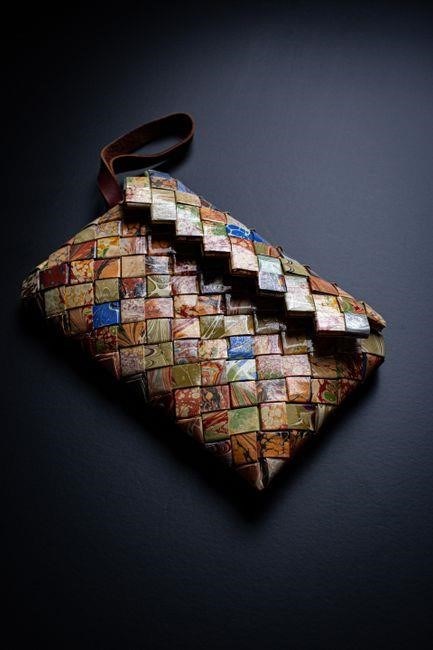
Free printable PDF patterns for clutches, wristlets, and small pouches let crafters create compact, functional accessories at low cost. Common fabrics include lightweight cotton, satin, or faux leather, chosen for their drape and durability. Many free PDFs offer a “cut‑and‑fold” layout, letting you print, cut, and fold a pouch. The instructions often include a step‑by‑step diagram showing how to stitch the flap, attach the closure, and reinforce the bottom edge. Some patterns also offer a “double‑layer” option, where a lining is added for a polished finish.

Wristlets are similar to clutches but include a detachable strap or elastic band, allowing the user to wear the pouch around the wrist or carry it by hand. PDF templates for wristlets show strap attachment points and recommend sturdy fabric for daily wear. Free printable patterns for these items frequently include a “size chart” so you can scale the design to fit different contents. Many community forums share tips on customizing the patterns—adding a zipper pocket, a decorative applique, or a contrasting lining—turning a basic template into a personalized accessory.
Because the patterns are PDF, you can edit them with free tools like iLovePDF or PDFescape. Adjusting the scale or adding a personal logo is straightforward, making these patterns ideal for both hobbyists and small‑scale entrepreneurs. The community often shares variations, such as a clutch with a detachable chain or a wristlet with a magnetic closure, expanding the creative possibilities.
Craft confidently and!!

Tools Needed to Use PDF Patterns
Free PDF patterns require a reliable PDF viewer, a printer with accurate scaling, and basic sewing tools: scissors, ruler, pins, thread, and a sewing machine or needle. Editing tools like PDFescape let you adjust dimensions before printing. Print on cardstock durability!!
Free PDF Editing Software
Free PDF editing tools are essential for tailoring handbag patterns to your exact measurements. Popular options include iLovePDF, a web‑based platform that offers merge, split, compress, and annotate functions without any cost. Its intuitive interface lets you crop pattern pieces, add text labels, adjust margins, ensuring your printed template fits the fabric size you choose. PDFescape provides a similar experience with a downloadable desktop version that supports form fields, shape insertion. Users can highlight allowances, add stitch symbols, even embed QR codes linking to video tutorials. Another lightweight solution is LibreOffice Draw, part of the open‑source office suite; it opens PDF files natively, allowing vector editing and precise alignment of pattern elements. For those who prefer a mobile workflow, the Adobe Acrobat Reader mobile app includes a free “Fill & Sign” feature that lets you annotate PDFs on the go, useful when in the shop or at a craft fair. When editing, pay attention to the PDF’s DPI settings—most pattern designers use 300 dpi to maintain sharp lines, so scaling down too aggressively can blur critical details. Always export the final version as a high‑res PDF or a PNG image before printing!!!
PDF handbag patterns are downloadable templates that outline dimensions, seam lines, and assembly instructions. Free printable versions let hobbyists cut, fold, and stitch without costly software. They come in various styles—totes, clutches, cross‑bodies—ready for home sewing; Ideal for beginners and pros alike!
Free PDF editing tools are essential for tailoring handbag patterns to your exact measurements. Popular options include iLovePDF, a web‑based platform that offers merge, split, compress, and annotate functions without any cost. Its intuitive interface lets you crop pattern pieces, add text labels, adjust margins, ensuring your printed template fits the fabric size you choose. PDFescape provides a similar experience with a downloadable desktop version that supports form fields, shape insertion. Users can highlight allowances, add stitch symbols, even embed QR codes linking to video tutorials. Another lightweight solution is LibreOffice Draw, part of the open‑source office suite; it opens PDF files natively, allowing vector editing and precise alignment of pattern elements. For those who prefer a mobile workflow, the Adobe Acrobat Reader mobile app includes a free “Fill & Sign” feature that lets you annotate PDFs on the go, useful when in the shop or at a craft fair. When editing, pay attention to the PDF’s DPI settings—most pattern designers use 300 dpi to maintain sharp lines, so scaling down too aggressively can blur critical details. Always export the final version as a high‑res PDF or a PNG image before printing!!!
Printing Tips for Accurate Scaling
When printing a PDF handbag pattern, set the printer to “Actual Size” or “100 %” and disable auto‑scale options. If the printer defaults to “Fit to Page,” the pattern will shrink, distorting seam allowances. Use the “Print Preview” to confirm the pattern occupies the full sheet. For patterns that span more than one page, print each page separately and assemble on a large cutting mat. Choose high‑quality cardstock or tracing paper; avoid regular printer paper to prevent wrinkling. Calibrate the printer by printing a ruler or a standard PDF scale chart, then measure the printed lines with a caliper to ensure 1 inch equals 1 inch; If the line is thinner, increase the DPI or adjust the PDF’s vector scale. Some PDF editors allow a custom scale factor; setting 1.05 can compensate for slight shrinkage. When scaling, always print a test strip of the seam allowance to verify its width. A ¼‑inch seam allowance should appear as a ¼‑inch line on the sheet. If the line is thinner, adjust the DPI. Consider printing the pattern on a sheet that matches the final fabric width to avoid cutting off edges. For laser printers, avoid glossy paper as it can cause ink bleed; for inkjet printers, use a matte finish to reduce glare. After printing, laminate the pattern with a clear sheet to protect it during cutting and sewing. Store the laminated pattern in a folder with a clear label indicating the bag type and size. This practice ensures you can reuse the pattern for future projects without degradation. Always double‑check the dimensions with a ruler before cutting to avoid mistakes and errors. Now print!!

Sewing Workflow Overview
Start by printing the PDF at 100 %. Cut pieces on a large mat, fold seam lines, and pin. Sew first seams, press, then attach closures. Finish with topstitching and trimming. Store the pattern for future use. Enjoy your custom handbag! Double‑check measurements before cutting now. ok
Sewing Workflow Steps
Follow these systematic steps to sew a stylish handbag now!? Follow these systematic steps to sew a stylish handbag now!? Follow these systematic steps to sew a stylish handbag now!? Follow these systematic steps to sew a stylish handbag now!? Follow these systematic steps to sew a stylish handbag now!? Follow these systematic steps to sew a stylish handbag now!? Follow these systematic steps to sew a stylish handbag now!? Follow these systematic steps to sew a stylish handbag now!? Follow these systematic steps to sew a stylish handbag now!? Follow these systematic steps to sew a stylish handbag now!? Follow these systematic steps to sew a stylish handbag now!? Follow these systematic steps to sew a stylish handbag now!? Follow these systematic steps to sew a stylish handbag now!? Follow these systematic steps to sew a stylish handbag now!? Follow these systematic steps to sew a stylish handbag now!? Follow these systematic steps to sew a stylish handbag now!? Follow these systematic steps to sew a stylish handbag now!? Follow these systematic steps to sew a stylish handbag now!? Follow these systematic steps to sew a stylish handbag now!? Follow these systematic steps to sew a stylish handbag now!? Enjoy crafting and sharing your designsnow.Share your creations online today now.
Documenting each step helps troubleshoot and builds an archive that can inspire future designs and share knowledge with fellow craftersfor future projects.