Article Plan: 60 Minute Gentle Yoga Sequence PDF
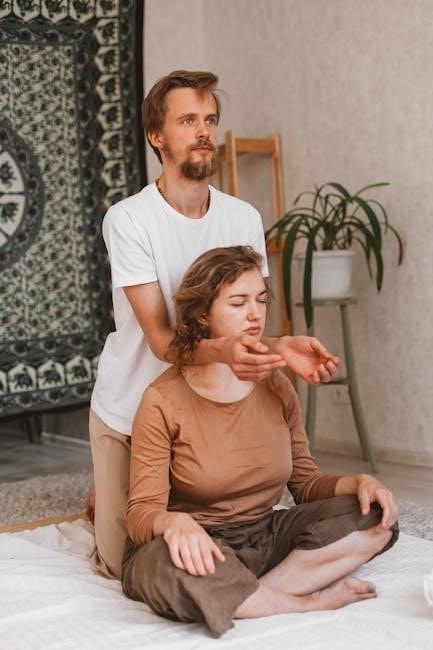
This guide details a comprehensive‚ accessible yoga plan‚ perfect for all levels‚ incorporating a 10-minute warm-up and cool-down‚ mirroring online resources.
Gentle yoga is a mindful practice‚ prioritizing accessibility and ease over strenuous effort. It’s a beautiful pathway to enhance flexibility‚ strength‚ and balance‚ all while fostering a deep connection between mind and body. Unlike more vigorous styles‚ gentle yoga emphasizes modifications and listening to your body’s individual needs.
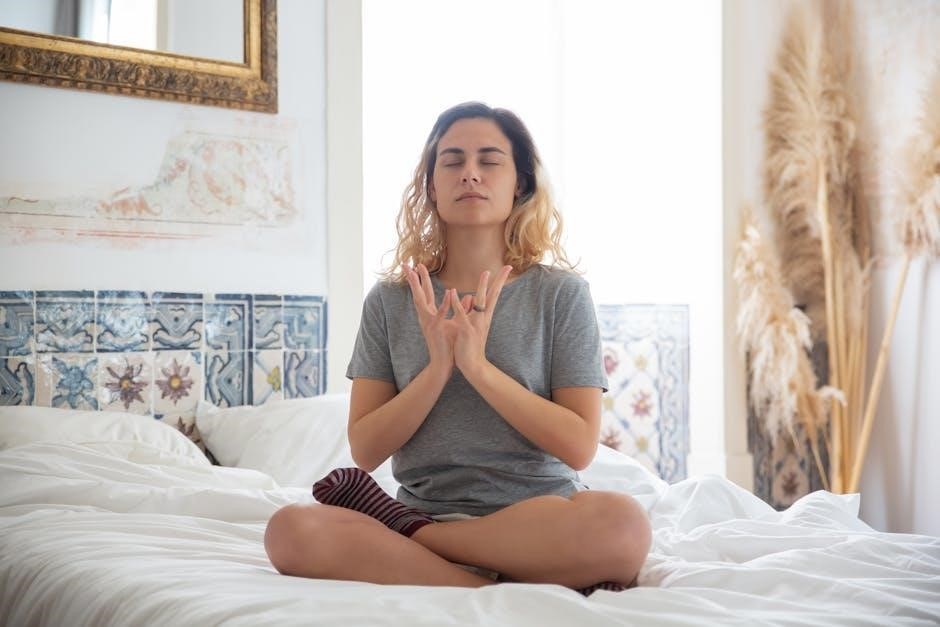
A 60-minute gentle yoga sequence PDF offers a structured approach to this practice‚ providing a convenient and readily available resource for consistent self-care. These sequences often incorporate foundational poses held for longer durations‚ allowing for deeper stretching and mindful breathing. They are designed to be inclusive‚ welcoming practitioners of all ages and fitness levels‚ even those new to yoga.
The focus isn’t on achieving perfect alignment‚ but rather on experiencing the benefits of each pose within your own comfortable range of motion. This introductory approach makes yoga less intimidating and more enjoyable‚ promoting a sustainable and positive relationship with your physical and mental wellbeing.
Benefits of a 60-Minute Gentle Yoga Practice
A 60-minute gentle yoga practice‚ easily accessible through a PDF guide‚ delivers a wealth of physical and mental benefits. Physically‚ it improves flexibility‚ range of motion‚ and muscle tone without placing undue stress on joints. This is particularly valuable for those seeking low-impact exercise.
Mentally‚ gentle yoga reduces stress and anxiety by activating the parasympathetic nervous system‚ promoting relaxation. Consistent practice enhances body awareness and mindfulness‚ fostering a stronger mind-body connection. A 60-minute gentle yoga sequence PDF allows for dedicated time to cultivate these benefits.
Furthermore‚ it can improve sleep quality‚ boost circulation‚ and even alleviate chronic pain. The sustained poses and mindful breathing techniques contribute to a sense of calm and wellbeing‚ making it a holistic practice for overall health.
Understanding the Target Audience
A 60-minute gentle yoga sequence PDF is designed for a broad audience‚ prioritizing accessibility and modification. It’s ideal for individuals new to yoga‚ seeking a low-intensity practice‚ or recovering from injury. Recognizing diverse needs is crucial.
The practice caters to seniors‚ offering improved mobility and balance with chair-supported poses. Those with limited mobility can benefit from modified versions of traditional asanas‚ focusing on what is possible. The emphasis is on mindful movement‚ not pushing physical limits.
Ultimately‚ this sequence aims to be inclusive‚ providing a safe and supportive environment for anyone wanting to experience the benefits of yoga‚ regardless of their fitness level or physical condition.
Beginners & Modifications
For beginners utilizing a 60-minute gentle yoga sequence PDF‚ modifications are paramount. Poses should be approached with awareness‚ prioritizing proper alignment over depth. Using props like blocks and straps is highly encouraged to support the body and enhance comfort.
Modifications might include performing poses against a wall for stability‚ bending knees generously in forward folds‚ or opting for seated variations of standing poses. The goal isn’t to achieve a perfect pose‚ but to experience the benefits of the stretch without strain.
Instructors and PDFs should clearly demonstrate modifications‚ empowering beginners to adapt the practice to their individual needs and abilities‚ fostering a positive and sustainable yoga journey.
Seniors & Accessibility
A 60-minute gentle yoga sequence PDF designed for seniors must prioritize accessibility and safety. Chair yoga variations are crucial‚ offering support and reducing the risk of falls. Modifications should be abundant‚ allowing for a comfortable range of motion.
Emphasis should be placed on gentle movements‚ mindful breathing‚ and avoiding any poses that cause pain or discomfort. Clear‚ concise instructions and visual demonstrations are essential. The PDF should highlight the benefits of yoga for seniors‚ such as improved balance‚ flexibility‚ and mental clarity.
Consider including options for seated stretches and modifications for individuals with limited joint mobility‚ ensuring inclusivity and a positive experience.
Individuals with Limited Mobility
A 60-minute gentle yoga sequence PDF catering to individuals with limited mobility requires significant adaptation. Chair-supported poses are paramount‚ providing stability and reducing strain. The PDF should clearly illustrate modifications for each pose‚ offering alternatives for those unable to perform the full expression.
Focus on range-of-motion exercises‚ gentle stretches‚ and mindful breathing techniques. Avoid poses that put excessive pressure on joints or require significant strength. Detailed instructions and visual aids are crucial for understanding proper alignment and safe execution.
Prioritize comfort and encourage participants to listen to their bodies‚ modifying or skipping poses as needed.
Essential Equipment & Preparation
A 60-minute gentle yoga sequence PDF experience is enhanced with minimal equipment. A quality yoga mat is fundamental‚ providing cushioning and grip. Consider thickness based on joint sensitivity – thicker mats offer more support. Comfortable‚ non-restrictive clothing allows for a full range of motion‚ avoiding hindrance during poses.
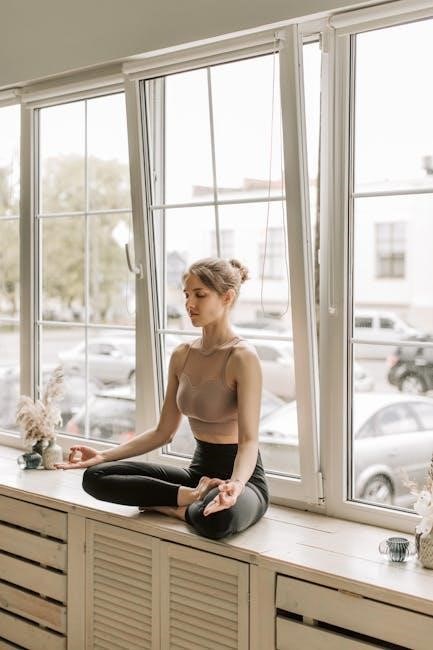
Preparation extends to the environment. A quiet‚ uncluttered space minimizes distractions‚ fostering relaxation. Soft lighting and calming music can further enhance the experience. Hydration is key; have water readily available throughout the practice. A blanket or bolster can provide additional support and comfort during seated or restorative poses.
Yoga Mat Selection
For a 60-minute gentle yoga sequence PDF practice‚ choosing the right mat is crucial. Consider thickness; beginners or those with sensitive joints benefit from thicker mats (6-8mm) offering enhanced cushioning. More experienced practitioners might prefer thinner mats (3-5mm) for improved stability and ground connection.
Material matters. PVC mats are affordable but less eco-friendly. TPE mats are a sustainable alternative‚ offering good grip and cushioning. Rubber mats provide excellent grip but can have a distinct odor. Texture is also important – look for a mat with a non-slip surface to prevent injuries; Prioritize a mat that supports your comfort and practice style.
Comfortable Clothing
When utilizing a 60-minute gentle yoga sequence PDF‚ appropriate attire enhances your experience. Opt for clothing that allows a full range of motion; avoid restrictive garments like tight jeans or overly loose clothing that could impede movement. Breathable fabrics like cotton‚ bamboo‚ or moisture-wicking synthetics are ideal‚ preventing overheating during practice.
Layers are beneficial‚ allowing you to adjust to changing body temperatures. Consider wearing socks‚ especially if you tend to feel cold. Avoid clothing with zippers or embellishments that might cause discomfort during poses. Prioritize comfort and functionality‚ enabling you to focus fully on your breath and alignment.
Creating a Calm Environment
To fully benefit from a 60-minute gentle yoga sequence PDF‚ cultivate a peaceful practice space. Minimize distractions by silencing your phone and informing household members you need uninterrupted time. Dim lighting or use candles (safely!) to create a soothing ambiance. Gentle music‚ nature sounds‚ or simply silence can enhance relaxation.
Ensure the room is comfortably warm‚ but not overly hot. A clean and uncluttered space promotes mental clarity. Consider using aromatherapy with calming scents like lavender or chamomile. Your yoga space should be a sanctuary‚ a place where you can disconnect from the outside world and connect with your inner self.
Warm-up (10 Minutes)

Beginning a 60-minute gentle yoga sequence PDF with a thorough warm-up is crucial. Start with Gentle Neck Rolls & Shoulder Circles (2 minutes) to release tension. Transition into Cat-Cow Pose (Marjaryasana to Bitilasana) (3 minutes)‚ synchronizing breath with movement to mobilize the spine.
Follow this with Wrist & Ankle Rotations (5 minutes)‚ gently circling each joint to improve flexibility and prepare for weight-bearing poses. Focus on mindful breathing throughout the warm-up‚ noticing sensations in your body. This prepares muscles and joints‚ reducing the risk of injury and enhancing the benefits of the practice.
Gentle Neck Rolls & Shoulder Circles
Within a 60-minute gentle yoga sequence PDF‚ initiating with Gentle Neck Rolls & Shoulder Circles (approximately 2 minutes) is vital for releasing upper body tension. Begin with slow‚ controlled neck rolls – ear to shoulder‚ chin to chest‚ and gently back – avoiding full circles if discomfort arises.
Then‚ move into shoulder circles‚ rolling shoulders forward and backward. These movements increase blood flow‚ lubricate joints‚ and prepare the neck and shoulders for deeper stretches. Maintain a relaxed jaw and breath deeply throughout‚ fostering a sense of calm and openness. This is a foundational element for a safe and effective practice.
Cat-Cow Pose (Marjaryasana to Bitilasana)
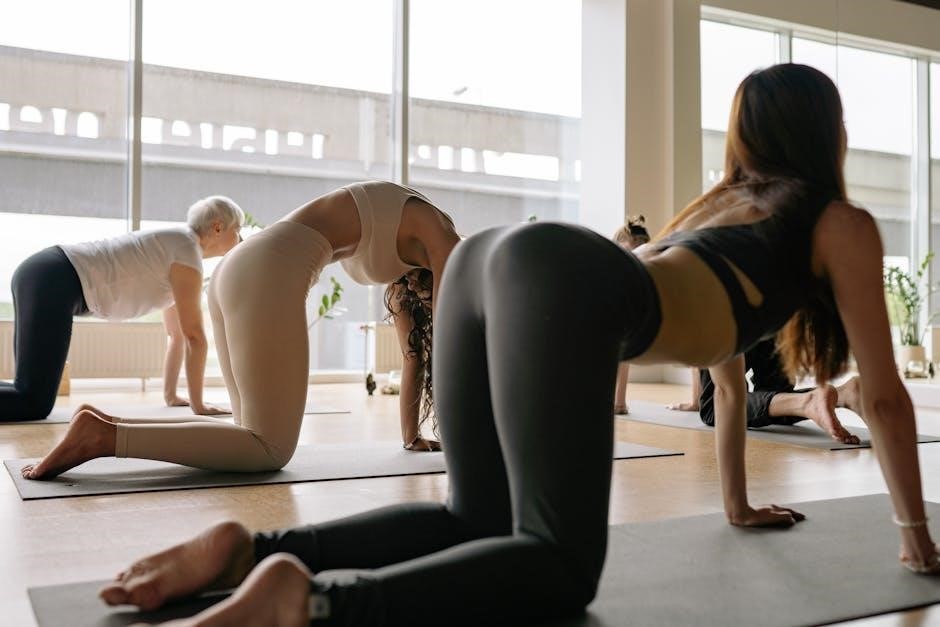
A cornerstone of any 60-minute gentle yoga sequence PDF‚ Cat-Cow Pose (Marjaryasana to Bitilasana) (around 3 minutes) dynamically warms the spine. Begin on hands and knees‚ aligning wrists under shoulders and knees under hips.
Inhale into Cow Pose‚ dropping the belly‚ lifting the chest and tailbone. Exhale into Cat Pose‚ rounding the spine‚ tucking the chin to the chest. Synchronize breath with movement‚ creating a gentle wave-like motion. This sequence improves spinal mobility‚ stimulates abdominal organs‚ and promotes coordination. Focus on mindful movement‚ honoring your body’s range of motion‚ and establishing a breath-body connection.
Wrist & Ankle Rotations
Essential within a 60-minute gentle yoga sequence PDF‚ wrist and ankle rotations (approximately 2 minutes) prepare these often-overlooked joints for weight-bearing poses. Begin seated or lying down. Gently rotate wrists clockwise and counterclockwise‚ focusing on a full range of motion without forcing.
Repeat with ankles‚ pointing toes and circling feet. These rotations increase circulation‚ improve joint flexibility‚ and prevent injury. Pay attention to any sensations‚ modifying the range of motion as needed. This simple practice enhances body awareness and prepares the joints for the demands of the practice‚ promoting a safer and more comfortable experience;
Core Strengthening (15 Minutes)
A vital component of a 60-minute gentle yoga sequence PDF‚ core work doesn’t necessitate intense strain. This section (15 minutes) focuses on gentle engagement. Begin with modified plank variations – holding for shorter durations‚ perhaps on knees.
Introduce gentle boat pose (Navasana) modifications‚ keeping the back supported or knees bent. Supine knee-to-chest pose offers a restorative core engagement. Focus on drawing the navel towards the spine throughout each exercise. These exercises build stability without overexertion‚ supporting spinal health and improving posture. Remember to breathe deeply and listen to your body.
Modified Plank Variations
Within a 60-minute gentle yoga sequence PDF‚ plank pose can be adapted for all levels. Traditional plank can be challenging; modifications are key. Start with forearm plank‚ reducing strain on wrists. Alternatively‚ perform plank on your knees‚ maintaining a straight line from shoulders to knees.
Another variation involves holding a high plank briefly‚ then lowering to knees. Focus on engaging the core – drawing the navel towards the spine – throughout each variation. Hold each modification for 15-30 seconds‚ building duration gradually. Prioritize proper form over length of hold‚ ensuring a safe and effective core workout.
Gentle Boat Pose (Navasana) Modifications
A 60-minute gentle yoga sequence PDF should offer accessible Boat Pose variations. Full Boat Pose can be intense; modifications are crucial for beginners or those with core weakness. Start with bent-knee Boat Pose‚ keeping your lower back pressed into the mat. For added support‚ hold behind your thighs.
Another option is to perform Boat Pose with hands reaching forward‚ maintaining a slight curve in the spine. Avoid rounding excessively. Alternatively‚ try a reclined Boat Pose‚ lifting legs while keeping your upper back flat. Focus on engaging the abdominal muscles and maintaining a neutral spine throughout each modification.
Supine Knee to Chest
A 60-minute gentle yoga sequence PDF must include restorative poses like Supine Knee to Chest. This pose gently stretches the lower back and hips‚ promoting relaxation. Lie on your back with knees bent and feet flat. Draw one or both knees towards your chest‚ clasping your hands around your shins.
Gently rock side to side to massage the lower back. Hold for several breaths‚ focusing on releasing tension. For a deeper stretch‚ straighten one leg at a time while keeping the other knee drawn in. This pose is excellent for relieving lower back pain and improving spinal mobility.
Standing Poses (15 Minutes)
A 60-minute gentle yoga sequence PDF incorporates standing poses to build strength and improve balance‚ modified for accessibility. Begin with Mountain Pose (Tadasana)‚ focusing on grounding through the feet and lengthening the spine. Variations include gentle arm raises and side bends.
Tree Pose (Vrksasana) can be practiced with wall support for stability‚ promoting focus and balance. Warrior II (Virabhadrasana II) is approached gently‚ with a shorter hold and a focus on proper alignment. These poses enhance body awareness and cultivate a sense of groundedness. Remember to breathe deeply throughout each pose‚ modifying as needed.
Mountain Pose (Tadasana) & Variations
Within a 60-minute gentle yoga sequence PDF‚ Mountain Pose (Tadasana) serves as a foundational standing pose‚ emphasizing proper alignment and grounding. Begin by standing tall with feet hip-width apart‚ engaging leg muscles and drawing the tailbone slightly down.
Variations include gentle arm raises overhead‚ palms facing each other‚ or with a slight backbend to open the chest. Side bends can be incorporated‚ reaching one arm towards the ceiling while keeping the hips stable. Focus on maintaining a long spine and deep‚ even breaths; This pose builds strength and promotes a sense of stability.
Tree Pose (Vrksasana) with Support
A 60-minute gentle yoga sequence PDF often includes Tree Pose (Vrksasana) to enhance balance and focus‚ but modifications are key for accessibility. Begin by standing firmly‚ then place the sole of one foot on the inner thigh – avoid the knee joint.
For support‚ utilize a wall or chair; lightly touch it for stability. Bring hands to prayer position at the chest or extend them overhead. Maintain a steady gaze at a fixed point. Gentle variations involve keeping the lifted foot lower‚ even just resting it on the ankle. This pose cultivates grounding and concentration.
Warrior II (Virabhadrasana II), Gentle Approach
A 60-minute gentle yoga sequence PDF will often feature Warrior II (Virabhadrasana II)‚ but a gentle approach is crucial. Step one foot forward‚ bending the knee directly over the ankle‚ keeping the back leg straight. Arms extend parallel to the floor‚ gazing over the front hand.
To modify‚ reduce the bend in the front knee and shorten the stance. Focus on maintaining a straight spine and relaxed shoulders. This pose builds strength and stamina. Remember to breathe deeply throughout the pose‚ and listen to your body’s limits.
Seated Poses (10 Minutes)
A 60-minute gentle yoga sequence PDF dedicates approximately ten minutes to seated poses‚ promoting flexibility and calm. Begin with Easy Seated Pose (Sukhasana)‚ focusing on a straight spine and relaxed shoulders. Incorporate gentle spinal twists‚ moving slowly and mindfully to increase mobility.
Forward Fold (Paschimottanasana) is included‚ but a modified version is essential – bending the knees generously to avoid strain. These poses cultivate inner peace and prepare the body for relaxation. Remember to breathe deeply and honor your body’s limitations throughout this segment of the practice.
Easy Seated Pose (Sukhasana) & Spinal Twists
Within a 60-minute gentle yoga sequence PDF‚ Easy Seated Pose (Sukhasana) forms a foundational element. Sit comfortably with crossed legs‚ ensuring the spine is erect but not rigid. Focus on lengthening the crown of the head towards the ceiling and relaxing the shoulders.
Follow this with gentle spinal twists‚ initiating movement from the torso. Keep the spine straight and avoid forcing the twist. These twists stimulate digestion and release tension in the back. Breathe deeply with each rotation‚ holding for a few breaths on each side. Modifications include placing a hand behind for support.
Forward Fold (Paschimottanasana) — Modified Version
A 60-minute gentle yoga sequence PDF will often include a modified Forward Fold (Paschimottanasana) to accommodate varying flexibility levels. Begin seated with legs extended forward. Instead of reaching for the toes‚ focus on hinging at the hips and lengthening the spine.
Maintain a slight bend in the knees to avoid strain. Hands can rest on the shins‚ thighs‚ or ankles – wherever is comfortable. The goal isn’t to touch toes‚ but to feel a gentle stretch in the hamstrings and lower back. Breathe deeply‚ allowing gravity to assist the stretch‚ and avoid forcing the pose.
Cool-down & Relaxation (10 Minutes)
A 60-minute gentle yoga sequence PDF culminates in a vital cool-down and relaxation phase‚ approximately 10 minutes in duration. This segment gently lowers the heart rate and allows the body to absorb the benefits of the practice.
Expect poses like Reclined Butterfly Pose (Supta Baddha Konasana) to release tension in the hips and groin; The session concludes with Corpse Pose (Savasana)‚ often incorporating a guided relaxation to promote deep rest and mindfulness. This final stage is crucial for integrating the physical and mental benefits of the yoga session.
Reclined Butterfly Pose (Supta Baddha Konasana)
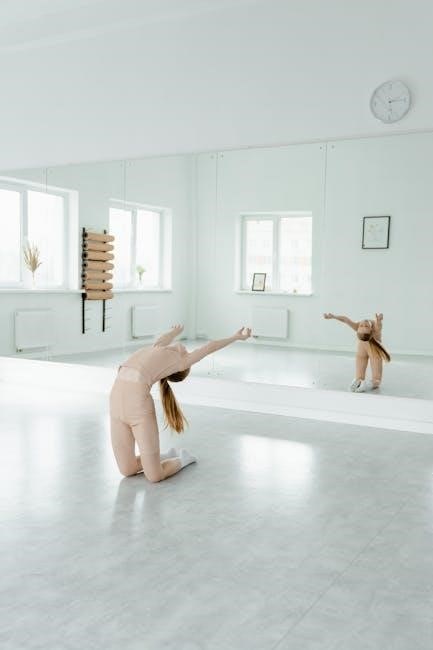
Within a 60-minute gentle yoga sequence PDF‚ Reclined Butterfly Pose (Supta Baddha Konasana) serves as a deeply restorative pose during the cool-down. Lie on your back‚ bringing the soles of your feet together‚ allowing your knees to fall open to the sides.
This pose gently opens the hips‚ groin‚ and inner thighs‚ releasing tension and promoting relaxation. Support your knees with blankets or pillows if needed for comfort. Focus on deep‚ even breaths‚ allowing your body to sink into the support. Hold for several minutes‚ enjoying the calming and grounding effects.
Corpse Pose (Savasana) — Guided Relaxation
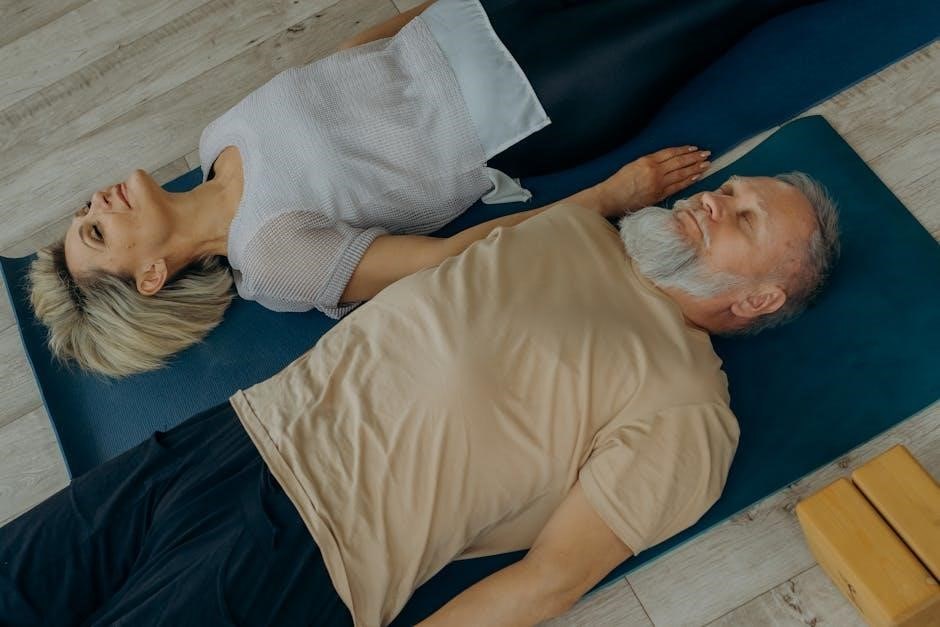
A crucial component of any 60-minute gentle yoga sequence PDF is Savasana‚ or Corpse Pose. Lie flat on your back‚ arms relaxed by your sides‚ palms facing up. Allow your feet to fall open naturally. This pose is about complete surrender and stillness.
A guided relaxation during Savasana enhances the benefits‚ encouraging you to scan your body for tension and release it with each exhale. Focus on your breath‚ letting go of thoughts and simply being present. Hold for at least 10 minutes‚ allowing your nervous system to calm and integrate the practice.
Finding & Utilizing a 60-Minute Gentle Yoga Sequence PDF
Locating a suitable 60-minute gentle yoga sequence PDF is easier than ever with numerous online resources. Search for PDFs specifically designed for beginners or those with limited mobility. Websites offering yoga classes often provide downloadable sequences.
When utilizing a PDF‚ ensure it clearly outlines each pose with modifications. Prioritize sequences with detailed instructions and visual cues. Print the PDF for easy reference during practice‚ or view it on a tablet. Remember to listen to your body and adjust poses as needed‚ making the sequence your own. Consistency is key to reaping the benefits!